
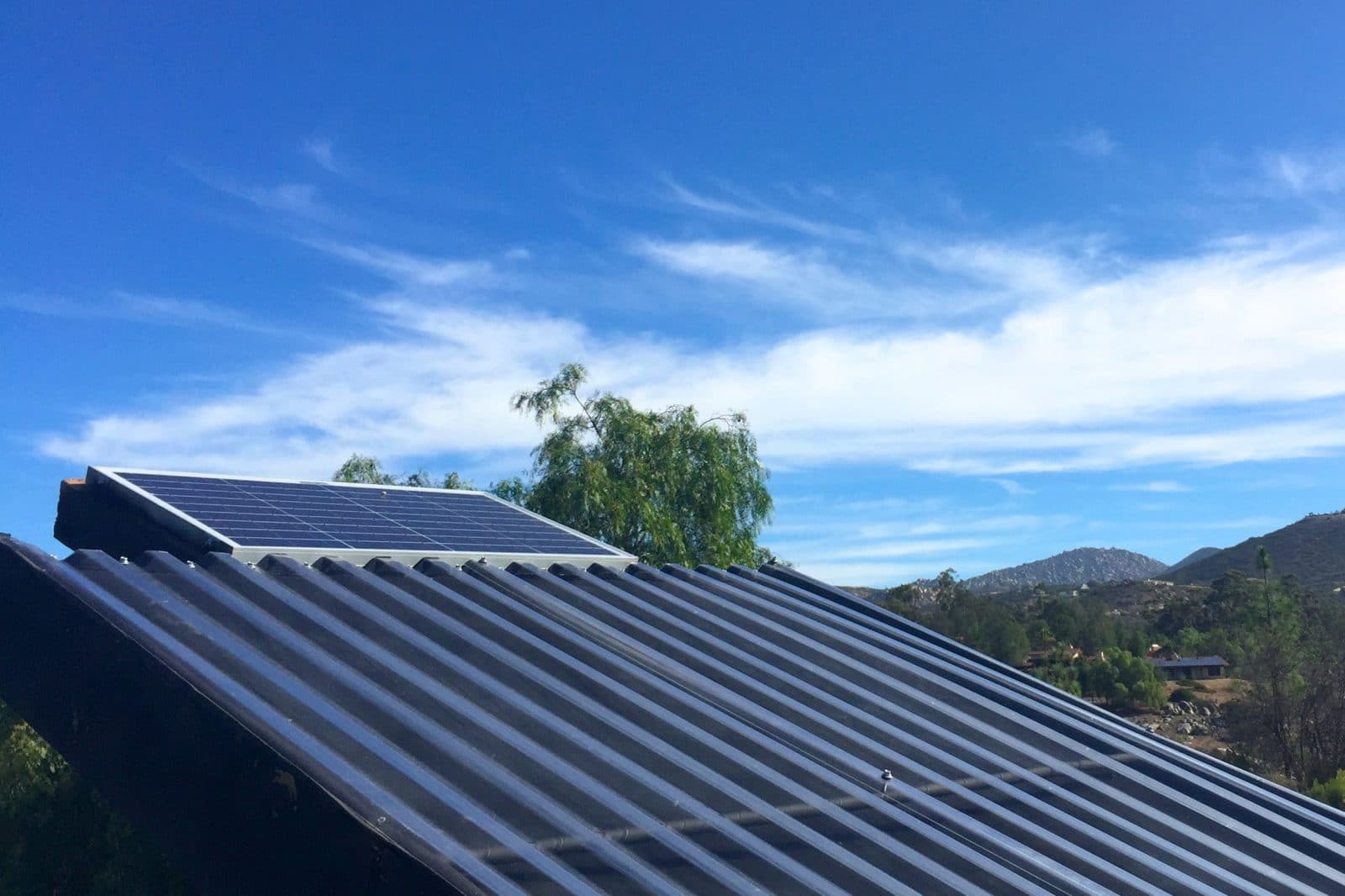
Today 805 million people around the world experience chronic hunger. With the world population at 7.3 billion that means that 1 in 9 people suffer from undernourishment. Almost all hungry people, 791 million, live in developing countries. That represents 13.5%, or 1 in 8, of the total population of developing countries (link).
While there are many reasons for chronic hunger consider just one: food loss and waste (link). The Food and Agriculture Organization (FAO) of the United nations makes the following statements about food loss and waste* (link):
- Roughly one third of the food produced in the world for human consumption every year — approximately 1.3 billion tonnes — gets lost or wasted.
- Fruits and vegetables, plus roots and tubers have the highest wastage rates of any food: 40-50%.
- In developing countries 40% of losses occur at post-harvest and processing levels.
- The food currently lost in Africa could feed 300 million people.
Due to the high water content of fruits and vegetables they are particularly susceptible to post harvest loss. In fact, to combat spoilage, people have dried a portion of their crops in the sun for centuries. This traditional practice of open-air sun drying results in contamination of the food by animals, insects, dust and micro organisms. Direct exposure of produce to sunlight also results in major loss of pro-vitamin A (b-carotene) and Vitamin C as well as discoloring by UV radiation. Additionally in regions or seasons with high relative humidity the product may never reach adequate preservation standards.
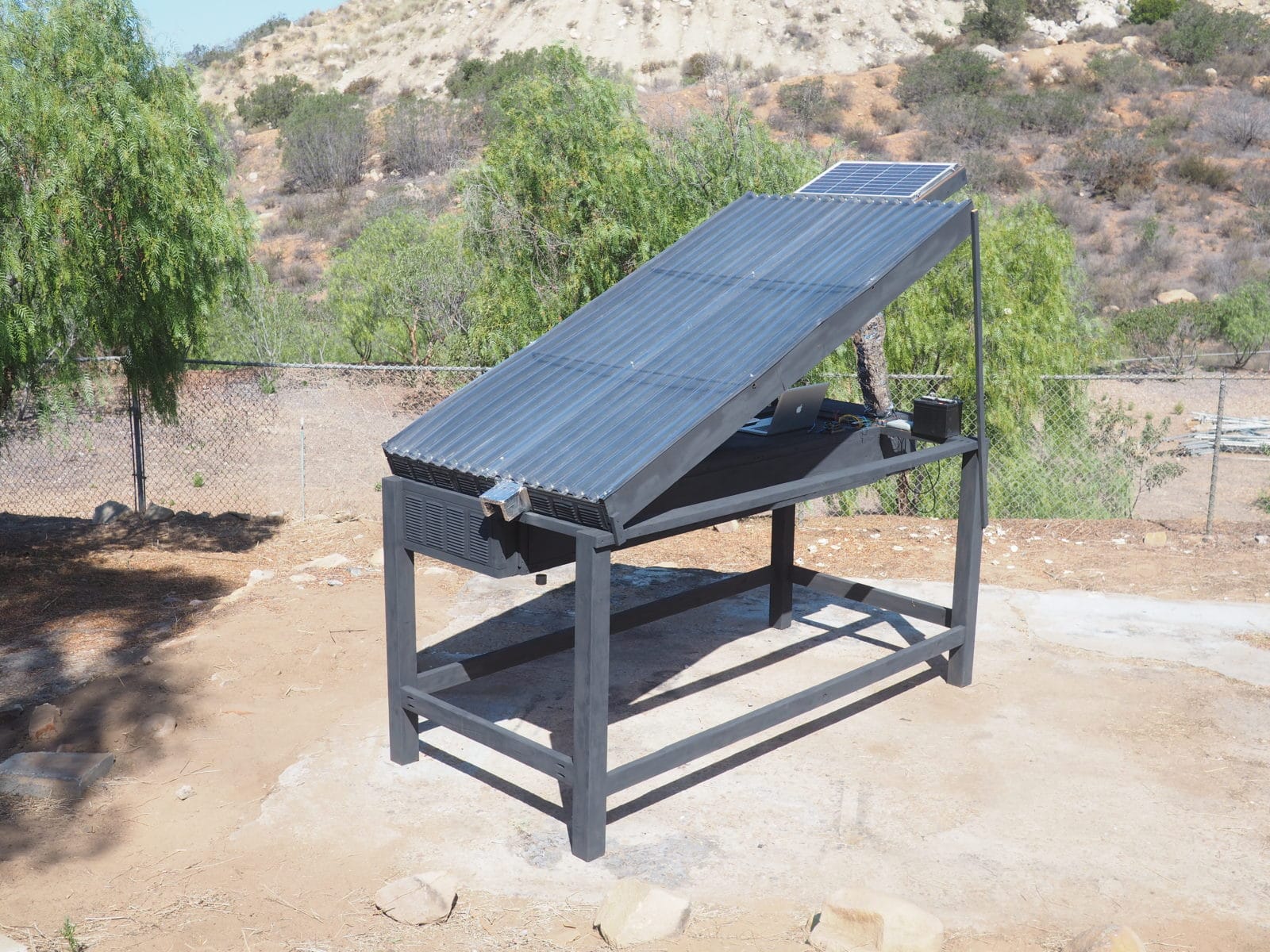
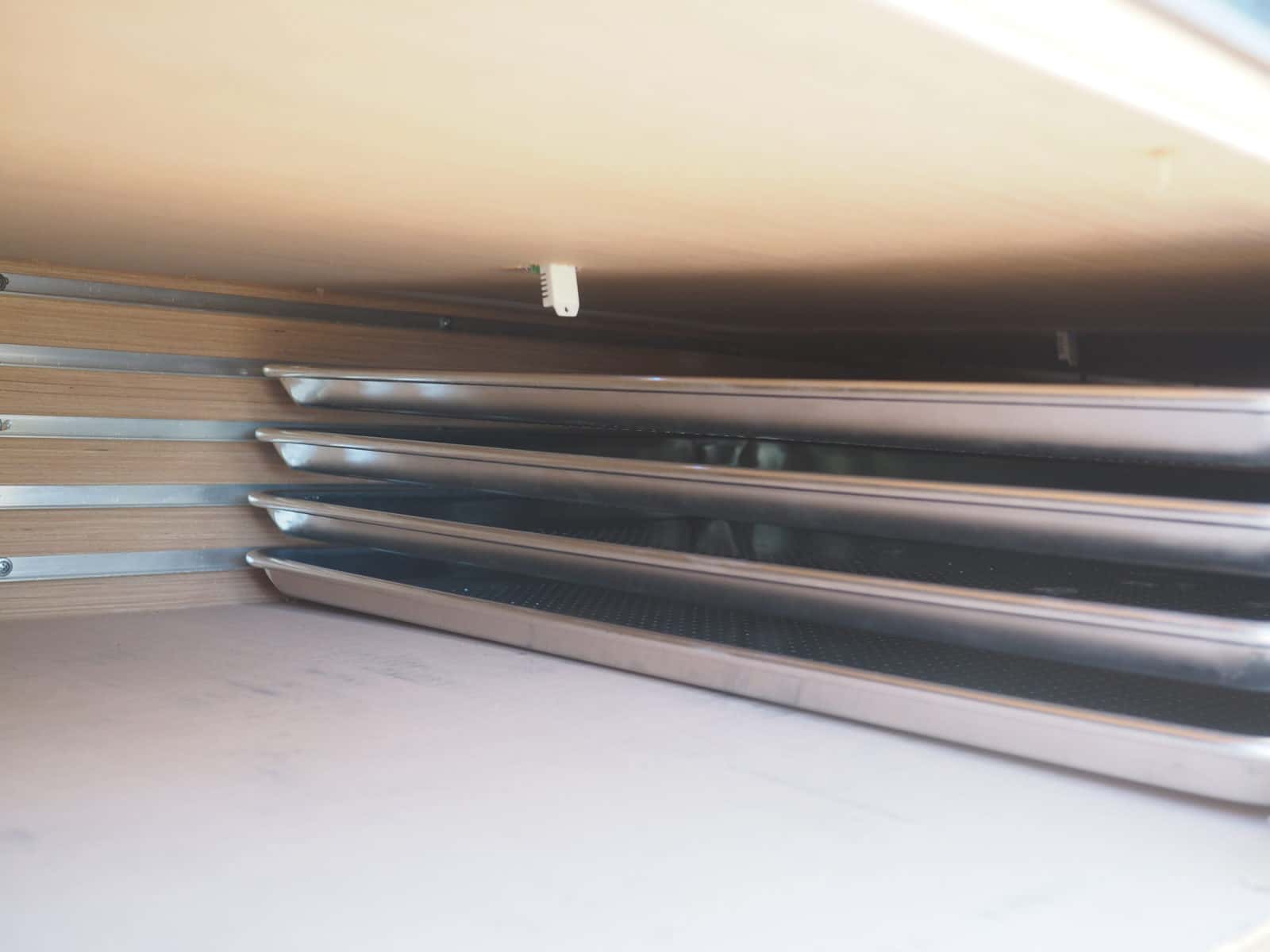
The prototype solar dryer below is technically classified as an indirect, active solar dryer. This means it keeps the produce out of the sunlight (indirect), and uses a fan force air over the product being dried (active).
Advantages:
- Drying times can be over 4x faster than open-air sun drying
- Product is kept out of the direct sunlight during entire drying process
- Max temperature of the dryer can be controlled with solar powered fan and temperature sensor
- Air filter before dehydrator cabinet helps reduce contaminates
- System is entirely solar powered requiring no other power inputs
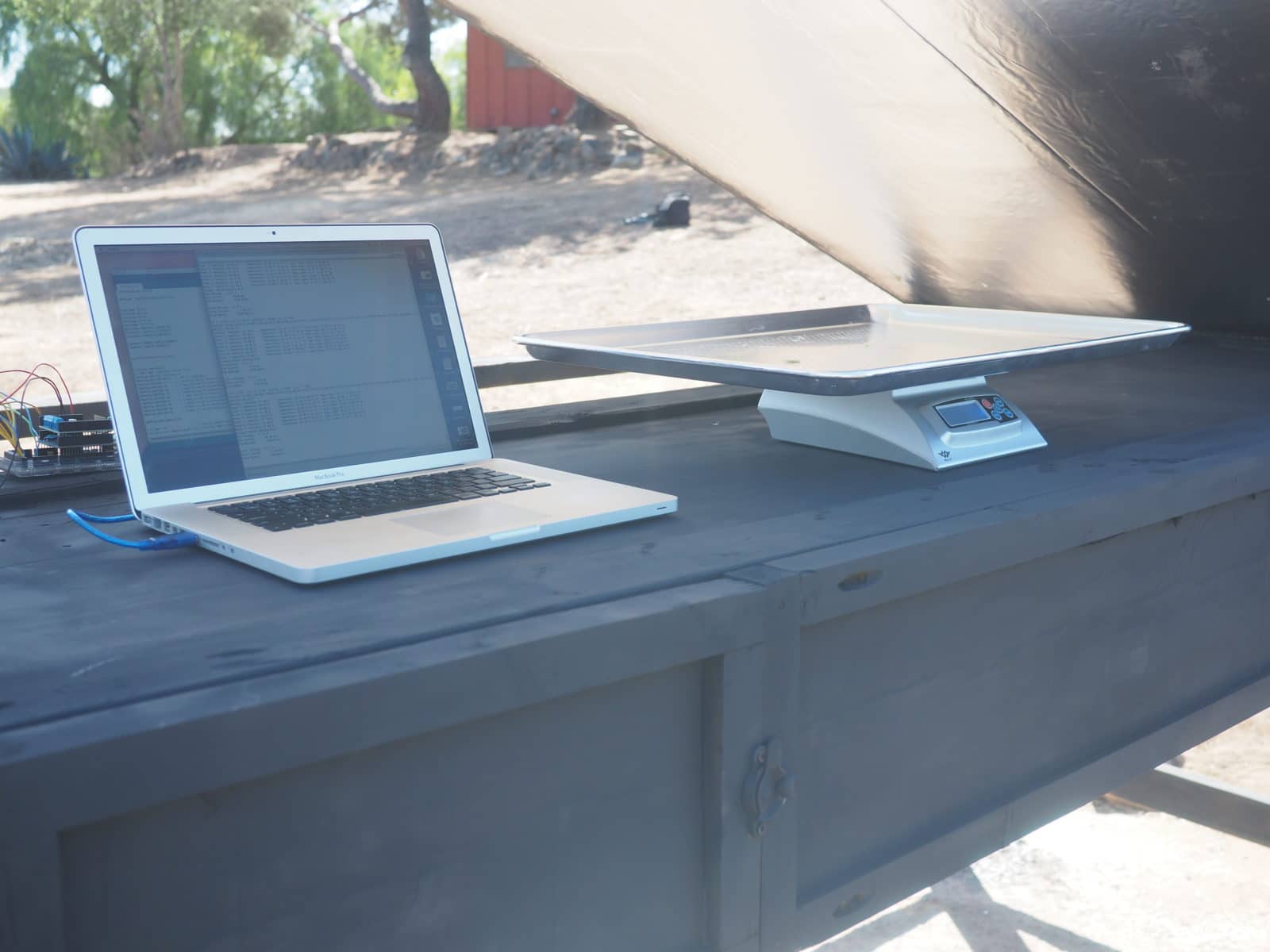
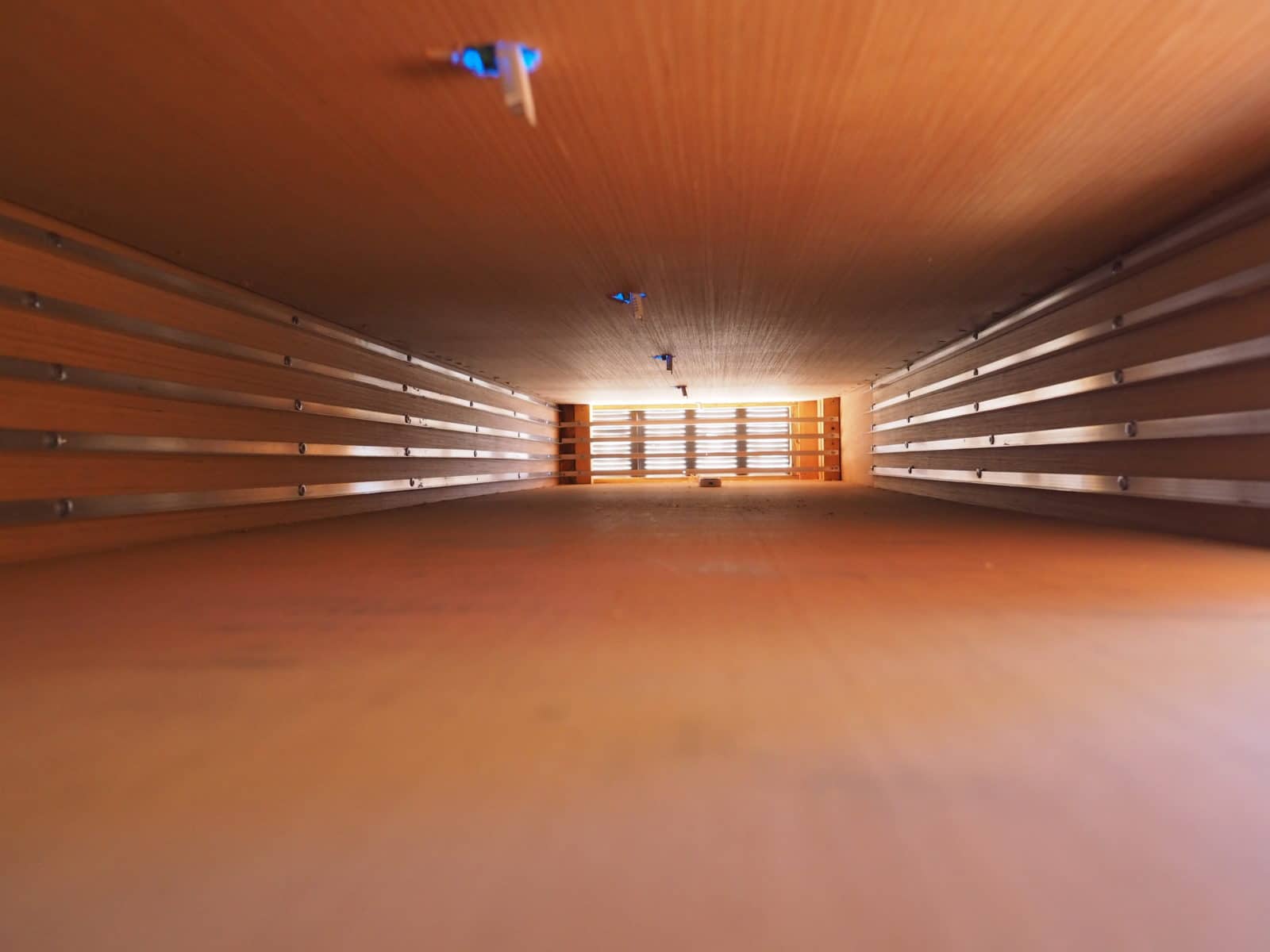
The prototype is currently undergoing testing to validate drying capacities of different produce. Extensive data-logging of system performance is carried out for each trial.
Goals:
- Finish drying tests of various products
- Analyze results and update design
- Create a solar dryer kit which can be shipped and assembled on site
- Write assembly instructions and user manual
- Ship units to multiple locations for field testing
*Food loss is a measure of food that is “lost” throughout the supply chain that leads to edible food for human consumption. The losses can come from production, postharverst and processing stages.